Carollo Engineers

 
Community Assets and Environmental Stewardship
Community Assets In Public Works Projects
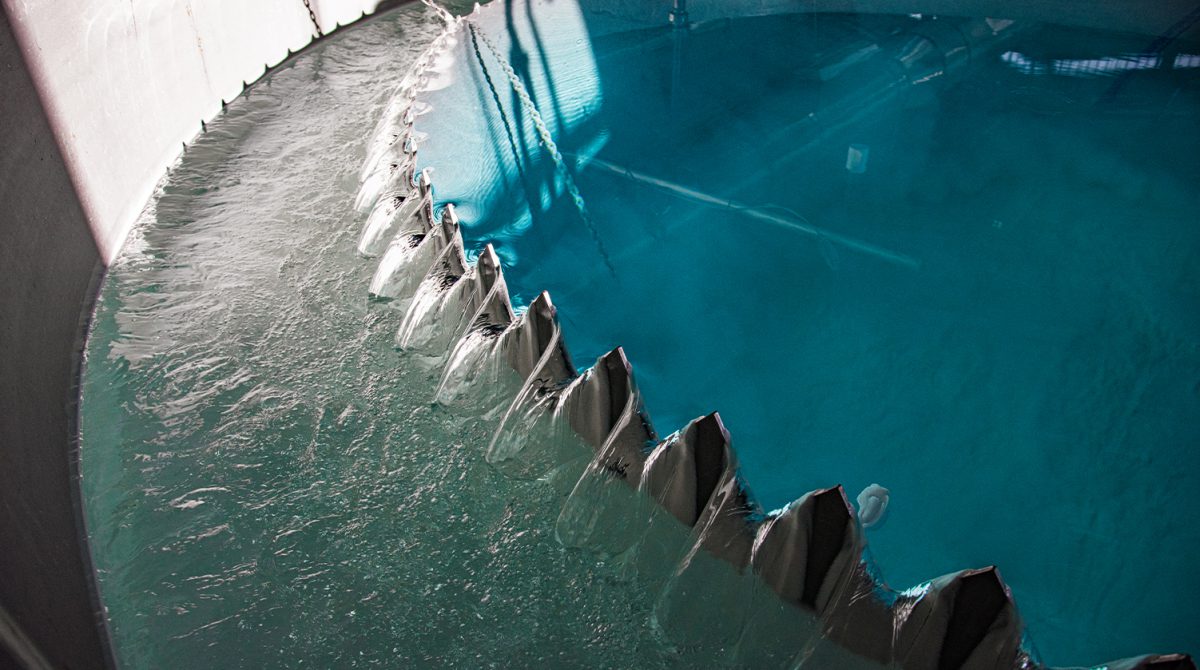
The design of this reflecting pool water feature in Portland, Oregon, was a result of local stakeholder involvement and community outreach efforts.

The old school of thought on public works projects is that they should serve their function (i.e., treat wastewater) but not be seen, smelled, heard, and certainly not be accessible to the public. As more people are bound by the asphalt and concrete that fill our cities, there is a greater need for people to relate to nature, or to enjoy a little slice of paradise. Cities and agencies are increasingly being pressured to allow the public into public works projects, to treat the environment with respect and to create a community asset beyond its traditional functions.

Today’s public works facilities, including reservoirs, pumping stations, retention basins, and treatment plants must not only coexist in harmony with the neighborhood but offer a positive community experience. The nation’s infrastructure facilities present a unique and often over looked opportunity to provide a synergistic interface within their local communities.

Essential to creating a successful community asset is to create what people want, so a sense of ownership is developed. This requires not only community participation, but also input from local organizations

such as schools and teachers, local and regional environmental and nonprofit or ganizations, and regulating agencies. Carollo Engineers has been assisting with the integration of the public and public works projects for decades. We have successfully led complex public involvement programs and have a policy of interfacing with regulating agencies in the early stages of projects to incorporate their ideas and determine their concerns. Carollo uses a concept known as "passive immersion" to lead visitors into and through public works facilities without conscious recognition that they were on a tour. Visitors are immersed in surroundings that are familiar yet entice them into learning through the use of eye-catching points of interest.

A rising interest in environmental impact and preservation has led to the idea of environmental stewardship. The goal of environmental stewardship is to preserve and enhance significant environmental features and create new opportunities for habitat. A key to meeting these goals is to understand the biology and ecology of the habitat proposed or already present. Part of environmental stewardship is un der stand ing the impact of the public on wildlife and possibly limiting public access to certain areas or during certain times of year (e.g., nesting season).

At the Riparian Preserve at Water Ranch in Gilbert, Arizona, recharge ponds were designed with deeper survival pools so that wildlife can retreat to the pools as the rest of the pond dries out. Incorporating features such as this into public works projects sets a new standard for achieving multiple benefits: for the wildlife using the facilities, for the public viewing the wildlife, and for the agency achieving its goals for the func tion al aspects of the project. A public agency that sets environmental stewardship as a goal and aims to create a community asset will reap the rewards of being forward thinking and having provided benefits for their communities for generations to come.

Daly City's underground storage facility below the baseball diamond is one example of the integration of public amenities and a public works project.

Have questions about water treatment? Contact us today.
Sign In