City of Petaluma, California - Water Recycling Facility Project 2
City of Petaluma, California - Water Recycling Facility Project
Sustainability
As the need for sustainability becomes more obvious many of our clients are embracing new approaches to operations and design. By adopting sustainable development, water and wastewater utilities help bring about livable communities and stable environments. Carollo has recognized this paradigm shift and has offered many of our clients an integrated holistic approach to decision making that supports a balance of social, environmental, and economic needs. Using green approaches such as The Natural Step and Leadership in Energy and Environmental Design (LEED), we have developed many designs to minimize the ecological footprint and promote environmental health and well being in a manner that avoids placing the economic bottom line at odds. Highlights of projects where Carollo has implemented sustainable design are provided on the pages that follow.

City of Petaluma, California - Water Recycling Facility Project
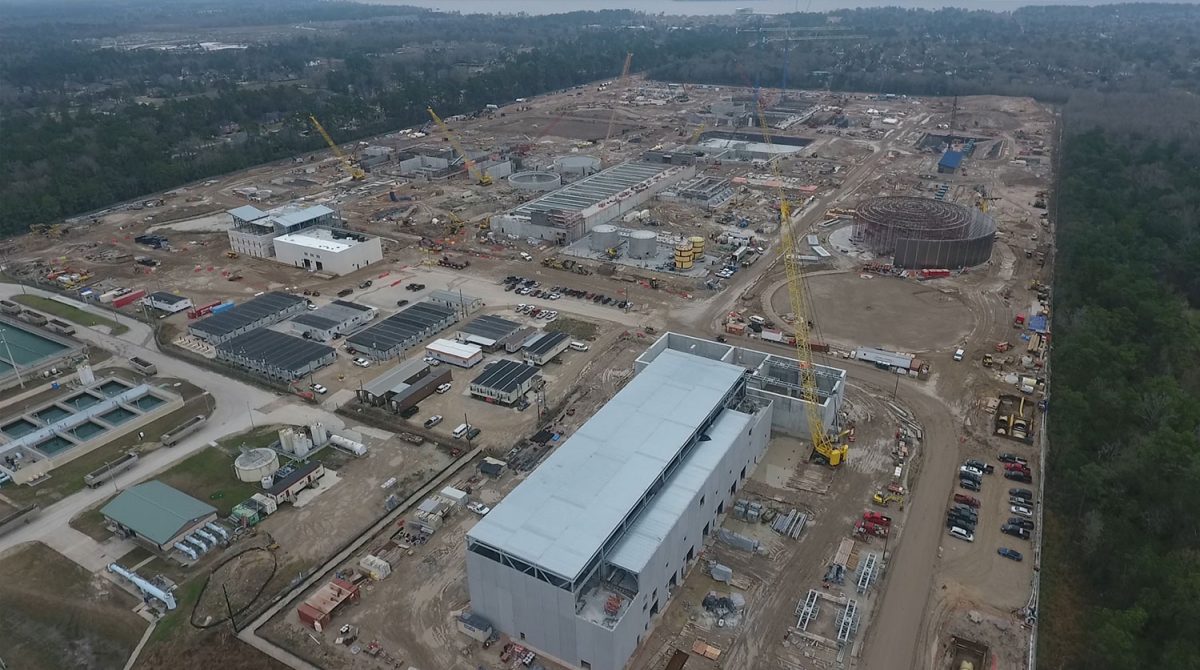
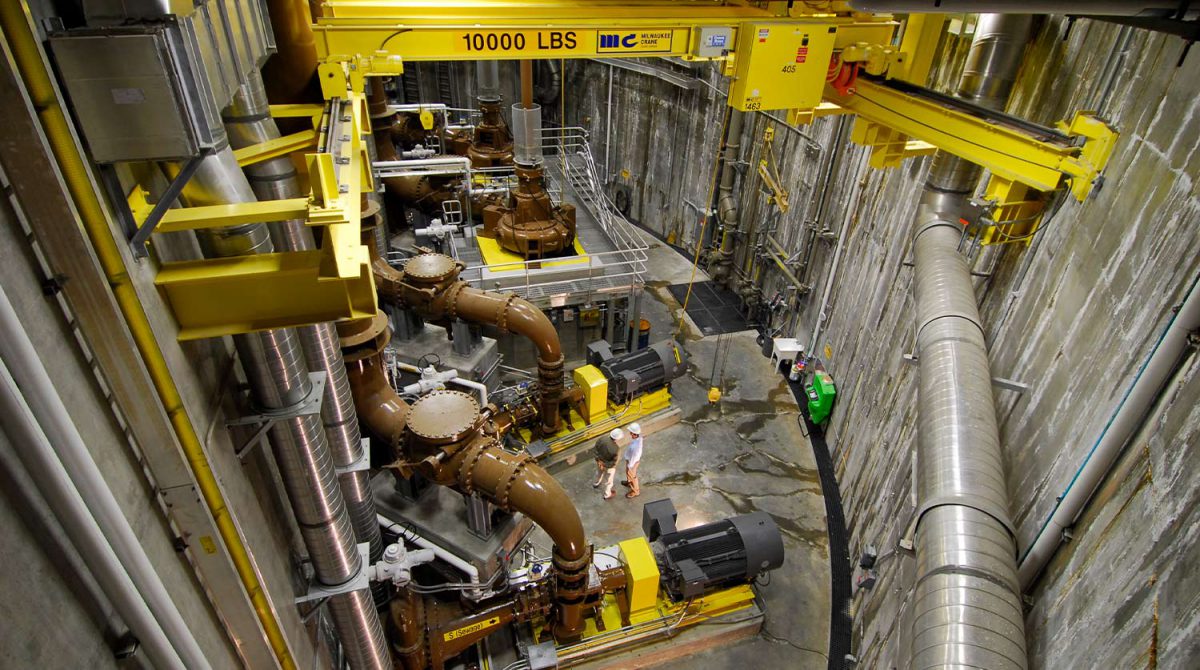
Carollo provided facility planning, predesign, CEQA documentation, permitting, and final design for the new 8.0-mgd (average annual flow) water recycling facility for the City of Petaluma. Carollo evaluated treatment alternatives including advanced facultative ponds, trickling filters, aerated lagoons, primary clarifiers followed by oxidation ponds, activated sludge, and extended aeration. Carollo performed process modeling for each alternative to determine sizing, developed the cost for each alternative, and performed a detailed evaluation to compare neighborhood impacts, public amenities, and sustainability. The selected processes included a headworks, extended aeration secondary treatment, existing oxidation ponds for storage and wet weather treatment, tertiary treatment, and biosolids treatment and storage. The City Council elected advanced treatment for metals, organics, and nutrient removal.
One of the primary goals of the project is to design and build an ecologically and economically sustainable facility. The project team incorporated sustainability criteria, The Natural Step framework, Ecological Footprint process, and the Leadership in Energy and Environmental Design (LEED) process, into the evaluation of alternatives, planning, and design of the facility.
The treatment alternatives ranged from “natural” land-based systems such as ponds and wetlands to more conventional treatment systems such as activated sludge and extended aeration. All alternatives included continued use of the existing oxidation ponds.
The sustainability criteria chosen for evaluating alternatives included water reuse, energy use for facility construction and operation, the embodied energy to construct the facilities as represented by quantity of concrete and quantity of earthwork, chemical use in operating the facilities, air emissions, land use, and habitat. Based on its comparable cost and lowest ecological footprint, the team selected extended aeration followed by wetlands as the preferred alternative.
The theme of sustainability will continue throughout the project. Currently the team is evaluating sustainable design options, including green building practices, use of recycled building materials, passive-solar techniques for building heating/cooling, and alternative energy sources, including roof-installed photovoltaic cells. The project will also consider other options for sustainability in the construction of the facilities.
UV Disinfection
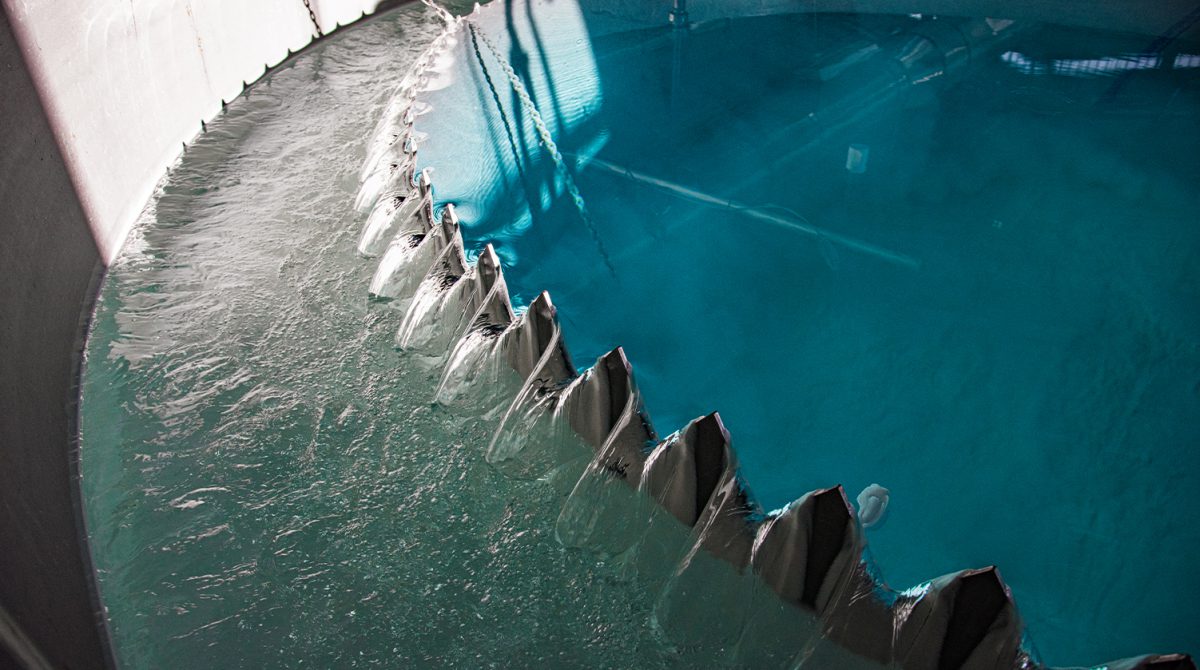
Carollo reviewed disinfection alternatives as part of our design of the Petaluma Water Recycling Facility. Work included examining the existing sodium hypochlorite/bisulfite system capacity and evaluating a new ultraviolet (UV) disinfection system. We also developed disinfection system configuration alternatives for both reuse and river discharge.
Carollo recommended implementing a phased unrestricted reuse system configuration with UV disinfection for Petaluma’s tertiary disinfection facilities. We also recommended that a chlorine system be designed to serve restricted reuse demands and for river discharge. This dual disinfection system allows the plant to benefit from the advantages of both UV and chlorine while maintaining lower construction and annual costs than a complete urban reuse UV system.
The project involved reviewing and compliance with the National Water Research Institute’s (NWRI) UV disinfection guidelines in a technical memorandum. These guidelines provide a basis for standardizing UV system design among manufacturers and consultants for water reuse applications.
Five UV manufacturers submitted preliminary design proposals for the UV system: Aquionics, Ondeo Degremont, Wedeco Ideal Horizons, Trojan Technologies, and US Filter/Ultra Guard. Carollo reviewed the UV system proposals and conducted interviews with each manufacturer. A comparison of UV systems addressed the following criteria: experience, UV lamp characteristics, regulatory compliance, energy use, and cost.
Back